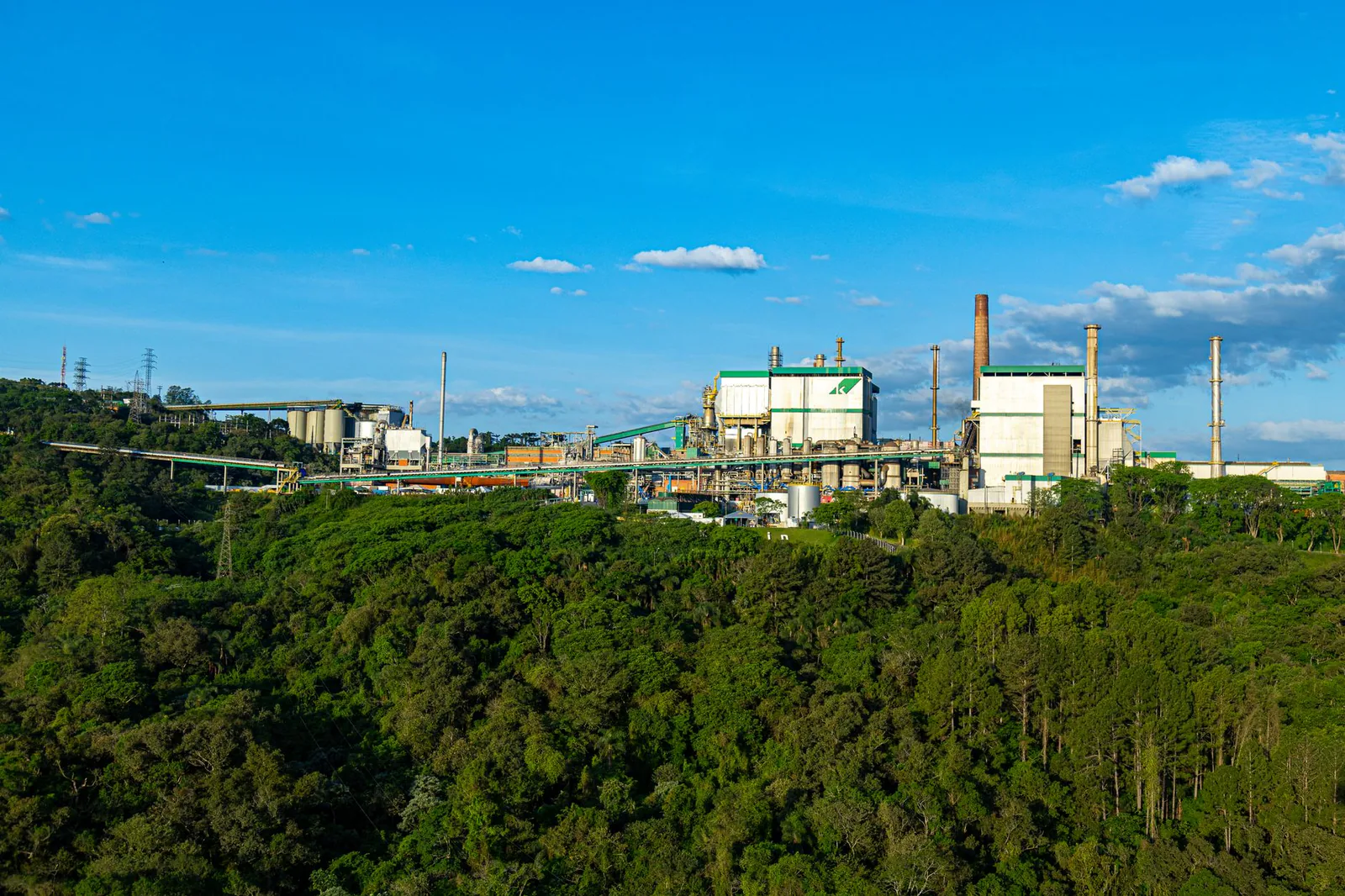
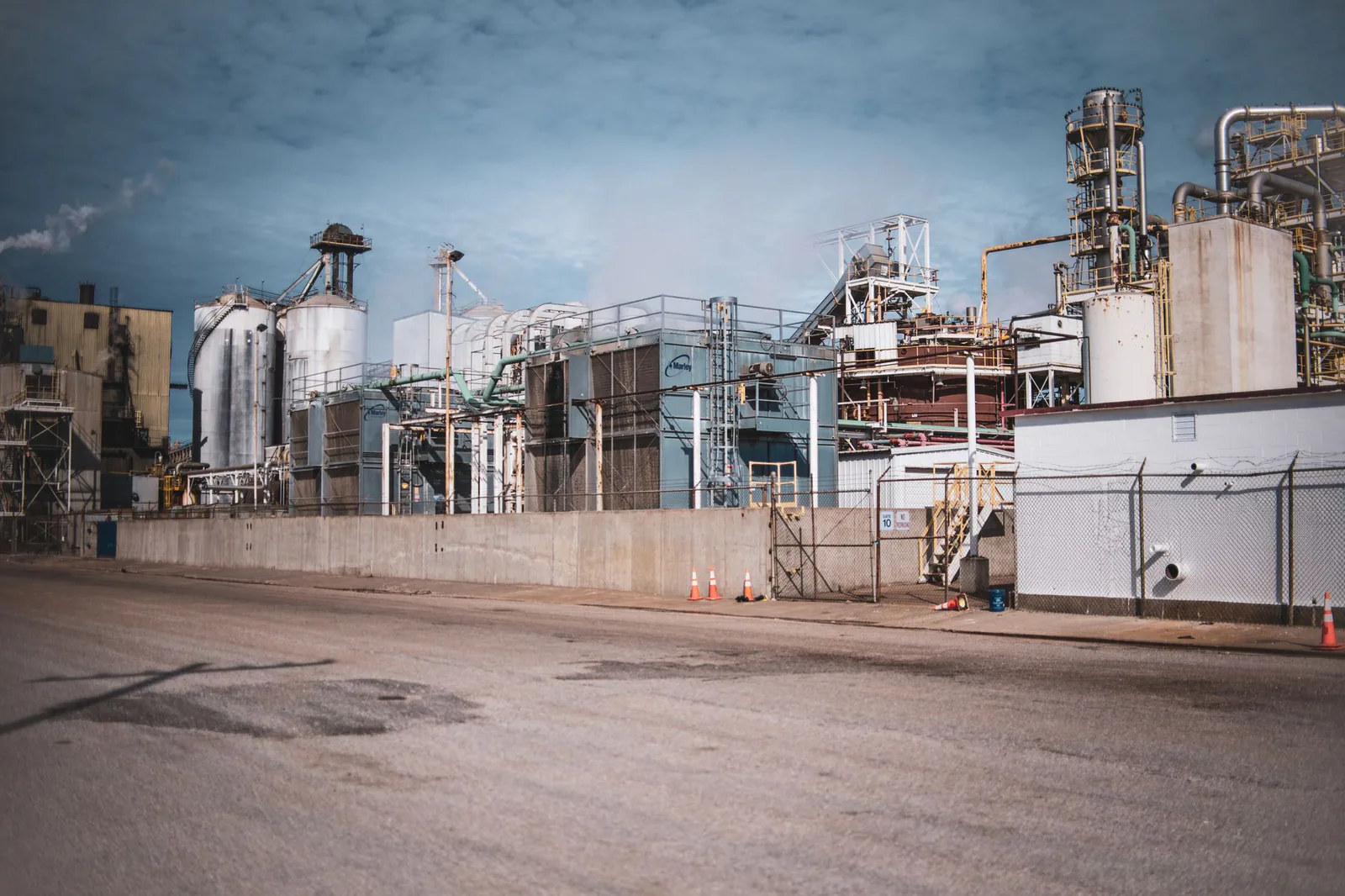
From tree to truckload.
Columbia Pulp manufactures and wholesales processed wood pulp from our facility in Dayton, Columbia County, Washington — buying fiber straight from the tree removal crews who clear the Northwest.
Columbia Pulp manufactures and wholesales processed wood pulp from our facility in Dayton, Columbia County, Washington — buying fiber straight from the tree removal crews who clear the Northwest.
Columbia Pulp operates in the heart of southeastern Washington timber country. We buy whole trees, tops, limbs, and chipped fiber, process it into clean wholesale pulp, and ship it to paper, packaging, and molded-fiber buyers across the region.
Our edge is our sourcing. We do not rely on distant timber brokers — we buy directly from tree removal companies, the crews that clear residential lots, utility corridors, orchards, and storm-damaged properties every single day.
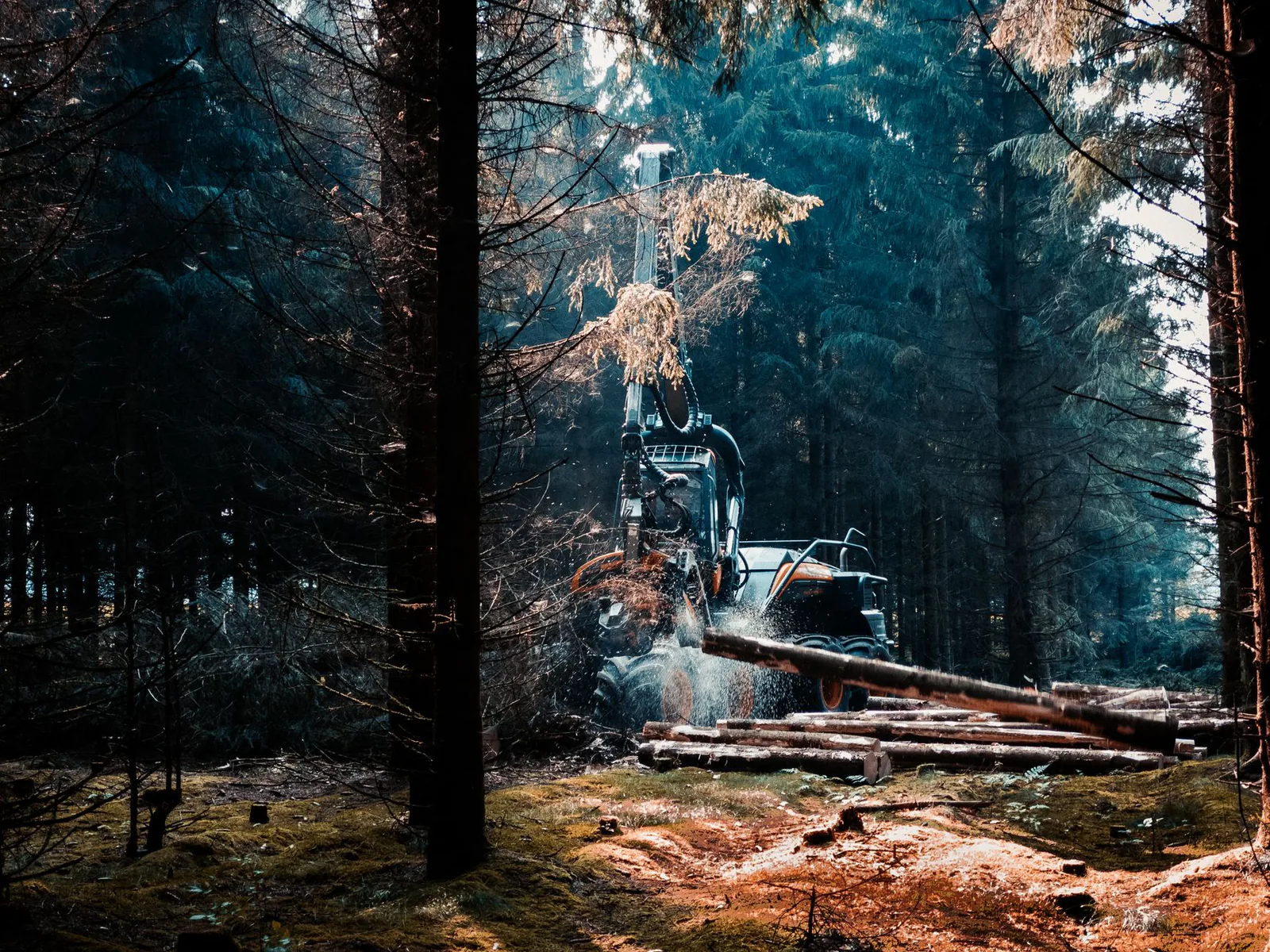
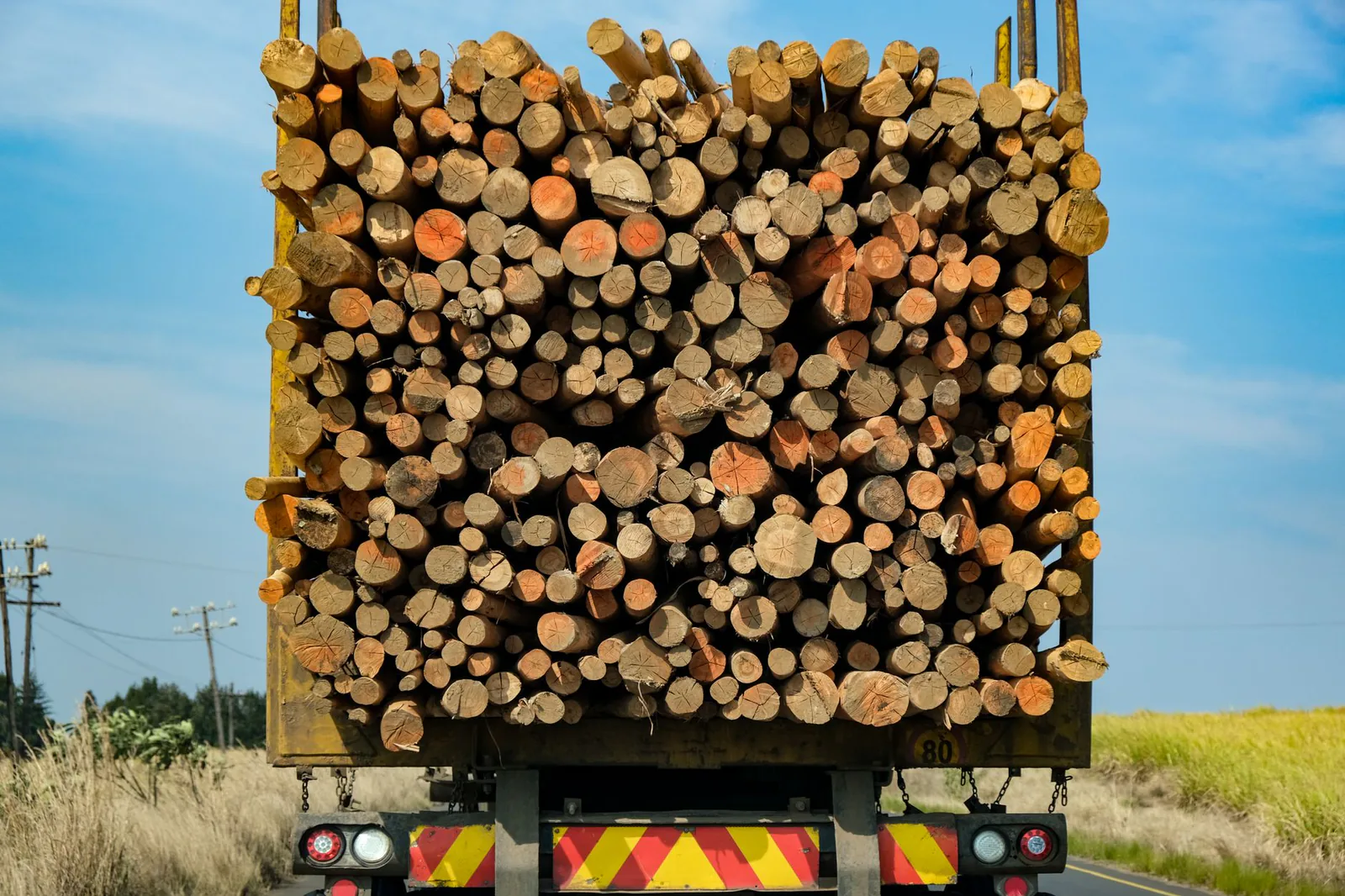 Inbound fiber · Columbia County
Every load that rolls through our gate is graded, processed, and converted into wholesale pulp products.
Tree removal companies deliver logs, chips, and cleanup debris. Every load is weighed, graded for species and moisture, and priced on the spot.
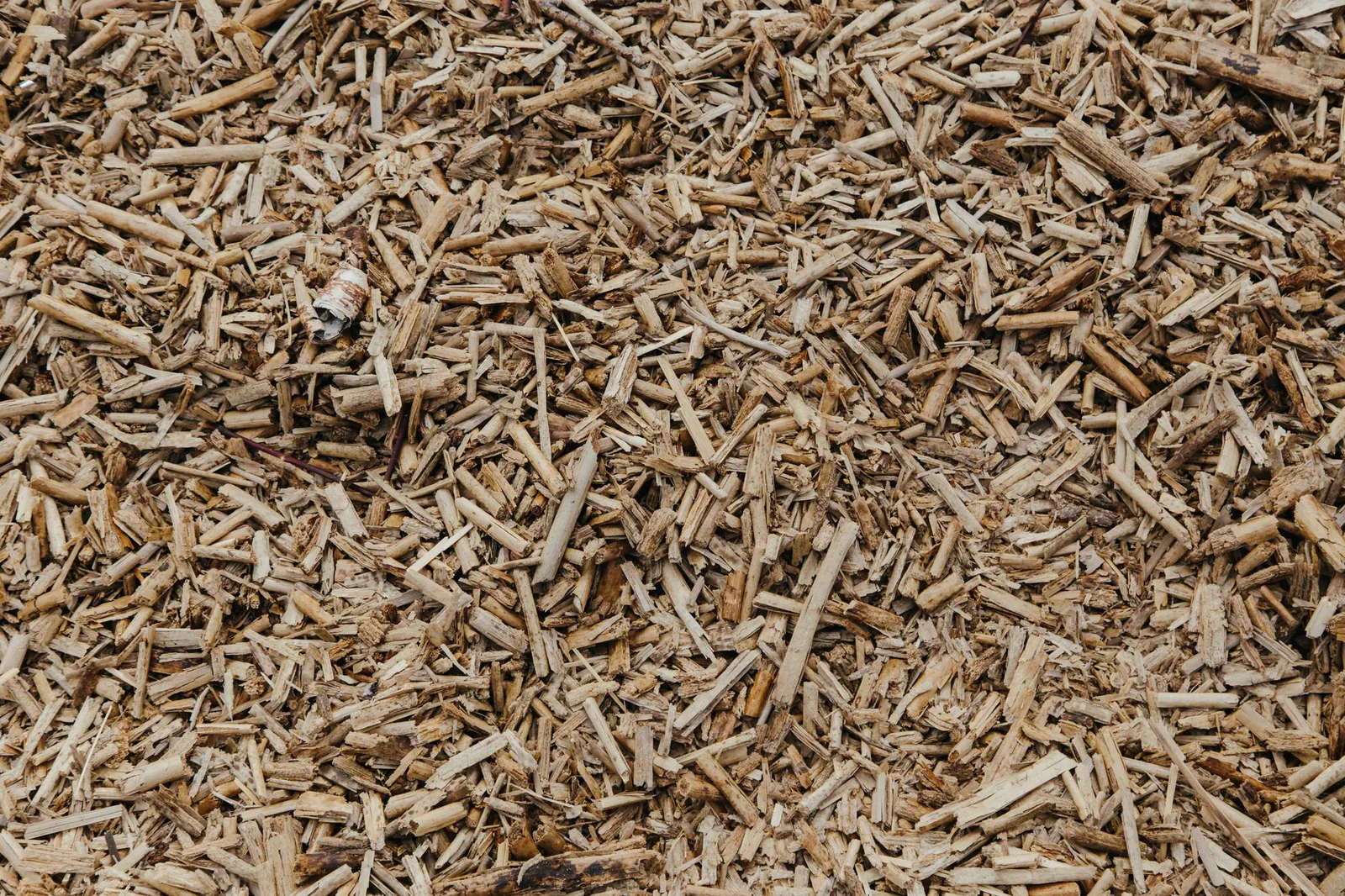
Raw material is chipped, screened, and refined into consistent pulp fiber — with 98% of every tree converted into saleable product.
Finished pulp ships in bulk by truck to paper mills, packaging plants, and molded-fiber manufacturers throughout the Northwest.
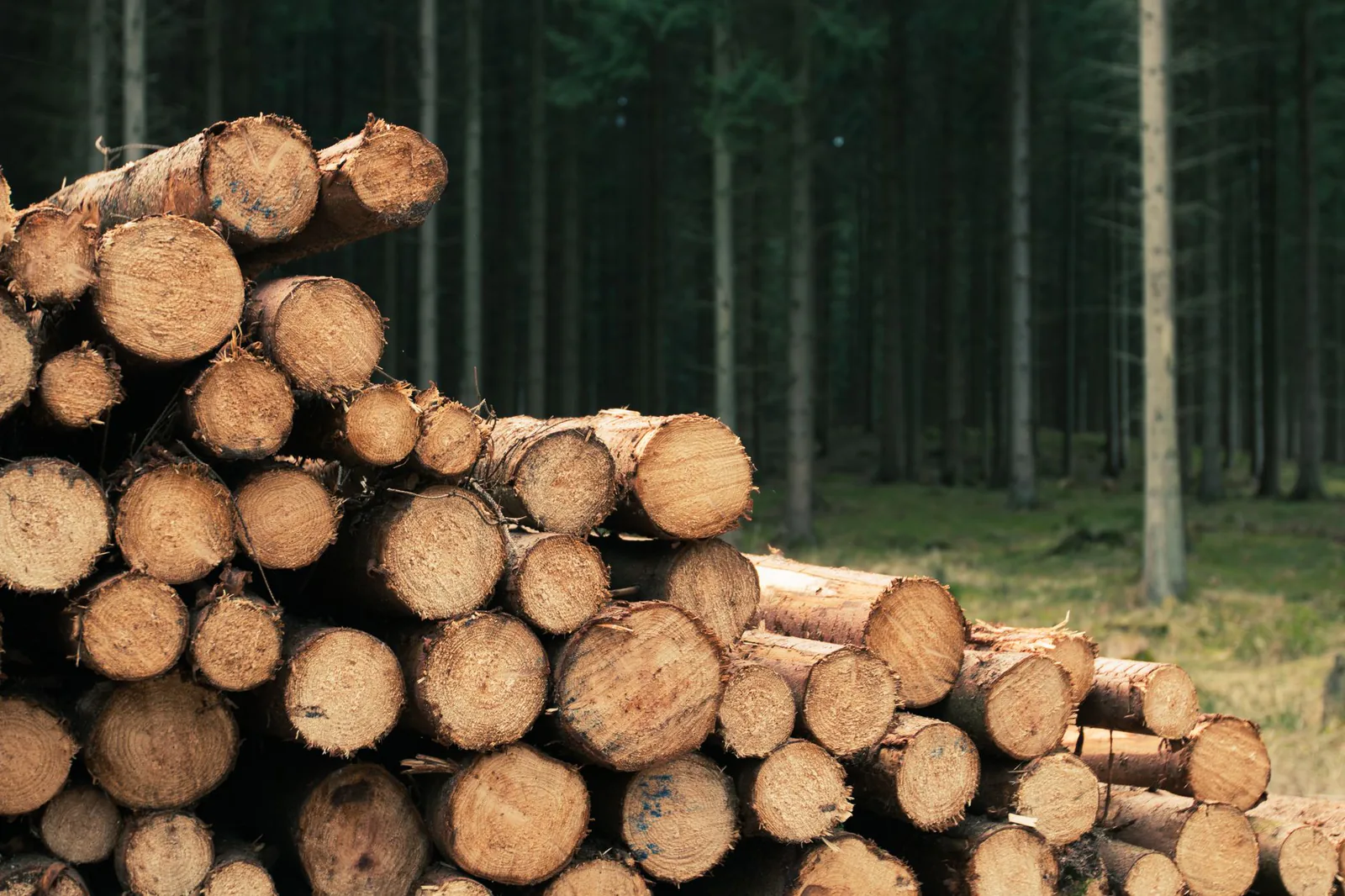
 Supplier crew · tree removal
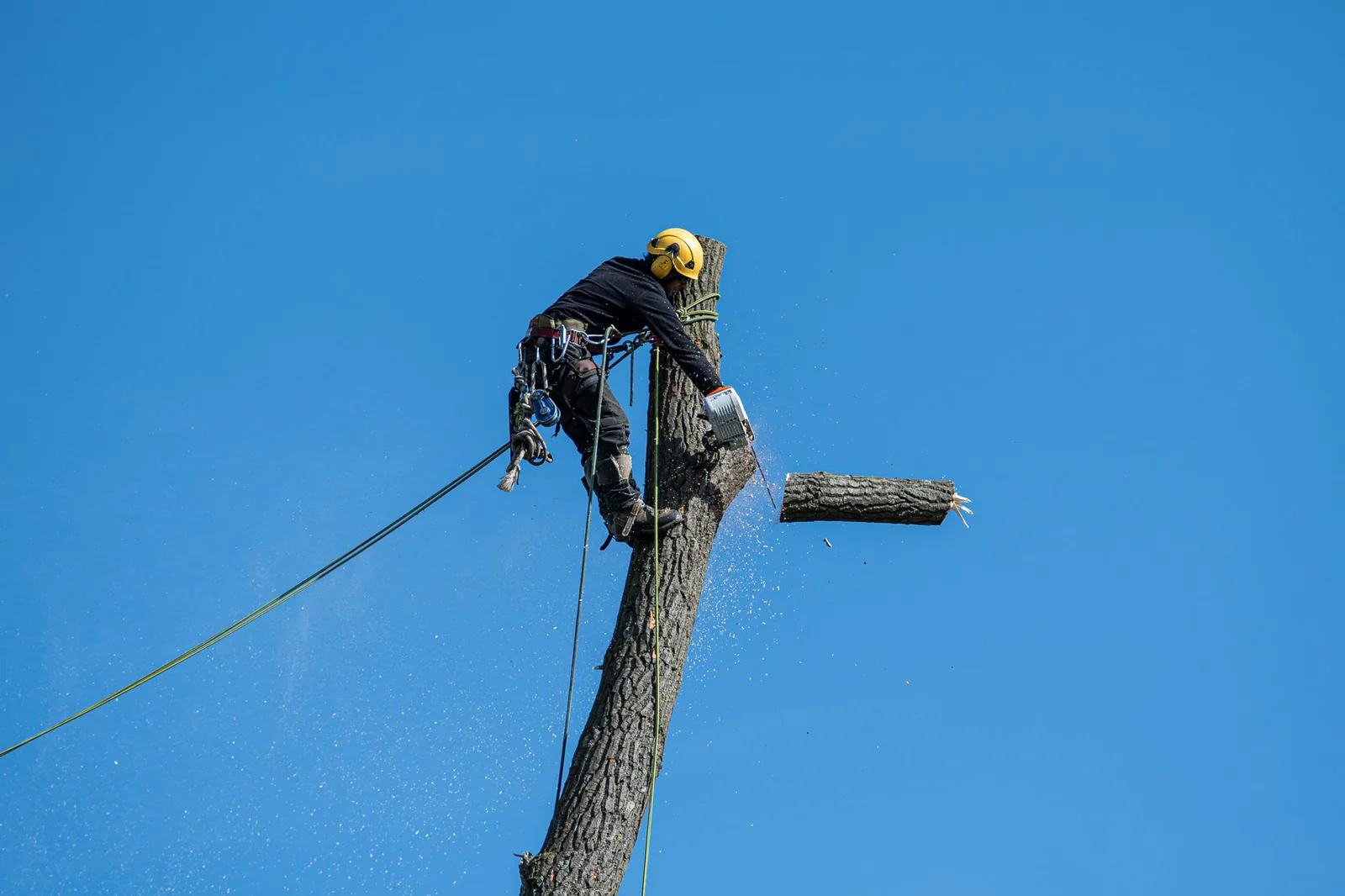
Columbia Pulp is supplied by 45 tree removal companies — independent arborists, lot-clearing crews, and municipal contract firms across Washington and the inland Northwest. They cut; we buy, haul, and process.
Because we buy the material most removal crews used to pay to dump, our suppliers turn cleanup jobs into revenue — and our mill gets a steady, diversified fiber supply no single timber contract could match.
Meet the NetworkDecades of buying from removal crews taught us exactly what drives the price of taking a tree down — and we share that knowledge freely with suppliers and buyers alike.
A 90-foot fir leaning over a house costs far more to remove than an open-lot maple. Crane time, climbing, and tight access are the biggest cost multipliers.
Hard, dense species and dead or hazard trees require slower, riskier work. But to a pulp mill, even storm-broken wood has value — which offsets the crew's cost.
Hauling and dump fees are a hidden half of most quotes. Selling the fiber to Columbia Pulp converts disposal cost into supplier income.
Whether you run a two-man removal crew or a paper plant, we want to talk tons and truckloads.
Start the Conversation